
Toronto User Group Says Farewell:
Looking Forward and What's Next
Toronto User Group Says Farewell:
Looking Forward and What's Next
A conversation with Glenn Gundermann and Vaughn Dragland
By Vanessa Glennie
A conversation with Glenn Gundermann and Vaughn Dragland
By Vanessa Glennie
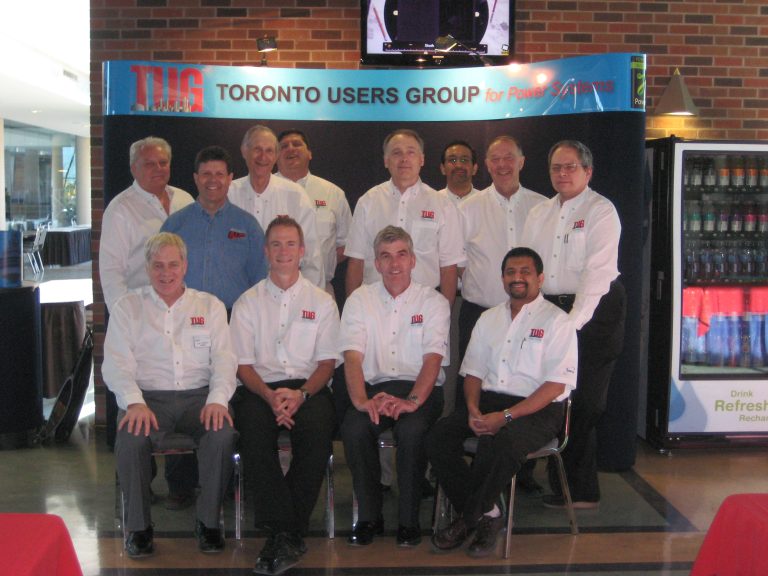
At the end of August, the Toronto User Group, known as TUG, will close its doors after 41 years. Founded in 1985 by Leo Lefebvre, Wendy Boddy, and a handful of others, TUG grew into one of the most active IBM i user groups on the continent.
We sat down with two of the people who helped keep it running for decades, Vaughn Dragland, TUG’s longtime designer and board member, and Glenn Gundermann, a fixture of the Toronto IBM i community, to look back on what four decades of community-building created and to think about what comes next, not just for TUG’s members, but for user groups everywhere.
At the end of August, the Toronto User Group, known as TUG, will close its doors after 41 years. Founded in 1985 by Leo Lefebvre, Wendy Boddy, and a handful of others, TUG grew into one of the most active IBM i user groups on the continent.
We sat down with two of the people who helped keep it running for decades, Vaughn Dragland, TUG’s longtime designer and board member, and Glenn Gundermann, a fixture of the Toronto IBM i community, to look back on what four decades of community-building created and to think about what comes next, not just for TUG’s members, but for user groups everywhere.
Four Decades of Community
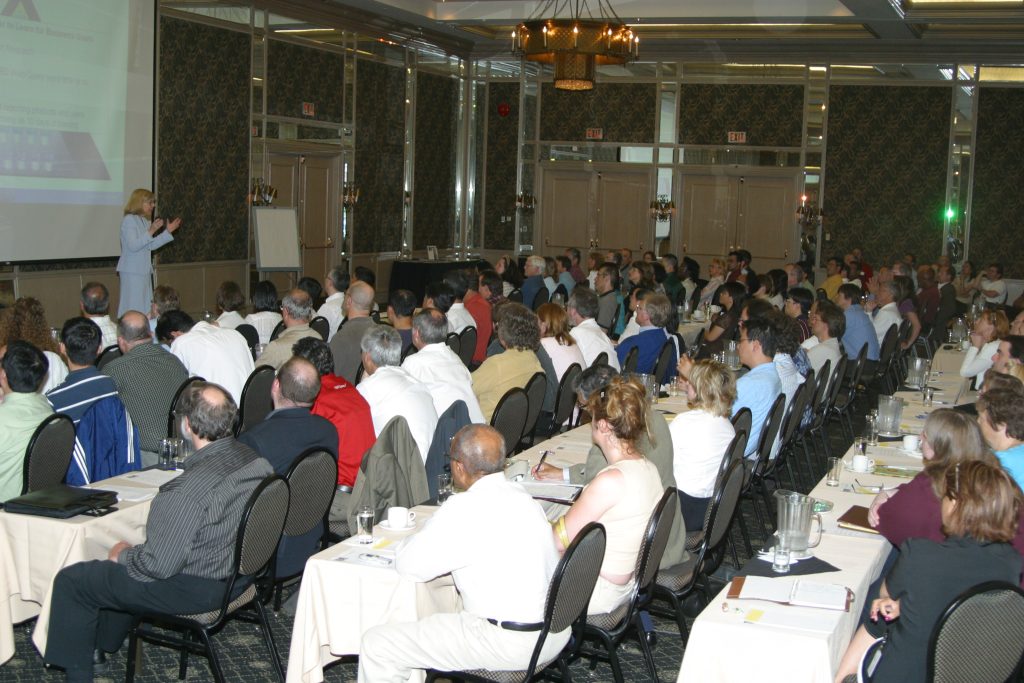
Ask Vaughn and Glenn what stands out most, and they land on the same answer almost immediately: TUG TEC, the group’s annual technical education conference. At its peak, the event ran for three full days and drew more than 300 attendees. There was an expo floor, top-tier IBM speakers, six concurrent session tracks, and a themed binder for every attendee, designed from scratch each year.
But beyond the sessions, there was time for connection and community. There were speaker dinners, days spent stuffing binders together, and direct access to the people who built the platform.
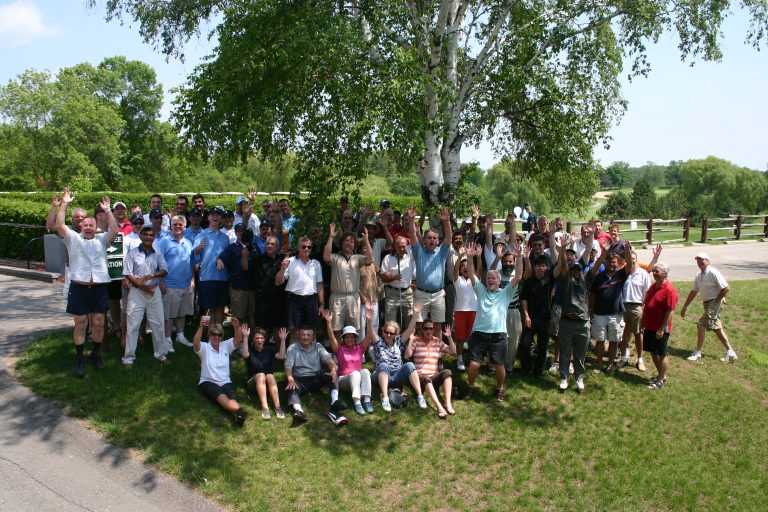
Outside of TUG TEC, there was a golf tournament that could fill an 18-hole course with 144 players, boat cruises on the Kajama, five in-person dinner meetings a year, and monthly board meetings that the group never missed for four decades.
Asked to sum it all up in a word, Glenn didn’t hesitate: “Community.”
You don’t spend decades driving to events, spending evenings away from family, and giving your time freely unless you truly love it. The community they built mattered.
Four Decades of Community
Ask Vaughn and Glenn what stands out most, and they land on the same answer almost immediately: TUG TEC, the group’s annual technical education conference. At its peak, the event ran for three full days and drew more than 300 attendees. There was an expo floor, top-tier IBM speakers, six concurrent session tracks, and a themed binder for every attendee, designed from scratch each year.
But beyond the sessions, there was time for connection and community. There were speaker dinners, days spent stuffing binders together, and direct access to the people who built the platform.
Outside of TUG TEC, there was a golf tournament that could fill an 18-hole course with 144 players, boat cruises on the Kajama, five in-person dinner meetings a year, and monthly board meetings that the group never missed for four decades.
Asked to sum it all up in a word, Glenn didn’t hesitate: “Community.”
You don’t spend decades driving to events, spending evenings away from family, and giving your time freely unless you truly love it. The community they built mattered.
"It's the kind of match a support ticket or a search engine can't make. It takes people who actually know each other."
Glenn Gundermann
You Don’t Know What You Don’t Know
Glenn still remembers one session on service entry points that changed how he worked: “That one hour session was worth the entire cost of the three-day conference.” He talked about hearing directly from the people who built the platform, the engineers who wrote the RPG compiler, the database engine, and the debugger. “It’s priceless,” he said.
Vaughn put a name to what made that kind of moment so valuable: serendipity. “The real value for me is the serendipity of learning,” he said. “When I don’t have a question to ask, I’m listening to somebody speak, and they talk about something I’ve never heard of before. Now I know what I want to learn more about. To me, that’s the real value of the networking and community of these groups.”
There’s an old saying for it: you don’t know what you don’t know.
That kind of connection reached beyond the conference stage. Glenn once mentioned in conversation that he was implementing journaling on a project, and it turned out someone else in the room needed exactly that. “We connected, and I was able to help him with his project,” he said. It’s the kind of match a support ticket or a search engine can’t make. It takes people who actually know each other.
That’s the value of a user group in one sentence: it turns a room of people solving the same problems into a network they can call on, and it happens because people build it, year after year, meeting after meeting.
A Hard Decision
When we asked why now felt like the right time to close, there was a long pause before Vaughn answered. “That’s a hard one,” he said. “When we made the decision to close, it was a tough decision, and we almost didn’t do it.” At the heart of it was succession planning and finding the next generation ready to carry the torch.
Glenn offered a generous read on why that’s been so hard. “It could be that they have families as well, so the time commitment,” he said. “They might be taking courses, too. Some people still take courses to further themselves, at the college or university level.”
That’s the real story behind succession planning: the future of groups like TUG rests with younger professionals. It’s exactly why continuing to build on the structures that carried TUG for 41 years matters so much, reimagining what involvement looks like, and meeting new professionals where they are.
TUG’s closing is a reminder that the future of this community depends on how deliberately we invest in bringing the next generation in today.
You Don’t Know What You Don’t Know
Glenn still remembers one session on service entry points that changed how he worked: “That one hour session was worth the entire cost of the three-day conference.” He talked about hearing directly from the people who built the platform, the engineers who wrote the RPG compiler, the database engine, and the debugger. “It’s priceless,” he said.
Vaughn put a name to what made that kind of moment so valuable: serendipity. “The real value for me is the serendipity of learning,” he said. “When I don’t have a question to ask, I’m listening to somebody speak, and they talk about something I’ve never heard of before. Now I know what I want to learn more about. To me, that’s the real value of the networking and community of these groups.”
There’s an old saying for it: you don’t know what you don’t know.
That kind of connection reached beyond the conference stage. Glenn once mentioned in conversation that he was implementing journaling on a project, and it turned out someone else in the room needed exactly that. “We connected, and I was able to help him with his project,” he said. It’s the kind of match a support ticket or a search engine can’t make. It takes people who actually know each other.
That’s the value of a user group in one sentence: it turns a room of people solving the same problems into a network they can call on, and it happens because people build it, year after year, meeting after meeting.
A Hard Decision
When we asked why now felt like the right time to close, there was a long pause before Vaughn answered. “That’s a hard one,” he said. “When we made the decision to close, it was a tough decision, and we almost didn’t do it.” At the heart of it was succession planning and finding the next generation ready to carry the torch.
Glenn offered a generous read on why that’s been so hard. “It could be that they have families as well, so the time commitment,” he said. “They might be taking courses, too. Some people still take courses to further themselves, at the college or university level.”
That’s the real story behind succession planning: the future of groups like TUG rests with younger professionals. It’s exactly why continuing to build on the structures that carried TUG for 41 years matters so much, reimagining what involvement looks like, and meeting new professionals where they are.
TUG’s closing is a reminder that the future of this community depends on how deliberately we invest in bringing the next generation in today.
“It's like my life's work. It was a real pleasure and a real honor to be a part of something like that.”
Vaughn Dragland
“It's like my life's work. It was a real pleasure and a real honor to be a part of something like that.”
Vaughn Dragland
Carrying It Forward
TUG’s story isn’t just an ending. It’s a call to action for the rest of us.
First, for TUG’s own members: this isn’t the end of the connections you built. Several user groups have already reached out with free first-year memberships, and COMMON remains a home for many already. Stay engaged, stay curious, and keep showing up. The format may change, but the community doesn’t have to.
Second, and more broadly: TUG’s 41 years is a reminder of why actively recruiting and mentoring the next generation of volunteer leaders is more important than ever, and why groups need to keep building the kind of serendipitous, in-person connection that made TUG matter in the first place.
The chapter is closing, but its story is a powerful reminder of what the IBM i and Power community needs: direct access to experts, genuine peer connection, and communities people care enough about to show up for and build together.
The best tribute we can pay to 41 years of community isn’t simply remembering it. It’s making sure the next chapter, wherever it happens, is even stronger.
For Vaughn, that’s exactly why TUG meant so much. “It’s like my life’s work,” he said. “It was a real pleasure and a real honor to be a part of something like that.”
On behalf of everyone at COMMON: thank you, TUG, for 41 years of learning, mentorship, and community.
Carrying It Forward
TUG’s story isn’t just an ending. It’s a call to action for the rest of us.
First, for TUG’s own members: this isn’t the end of the connections you built. Several user groups have already reached out with free first-year memberships, and COMMON remains a home for many already. Stay engaged, stay curious, and keep showing up. The format may change, but the community doesn’t have to.
Second, and more broadly: TUG’s 41 years is a reminder of why actively recruiting and mentoring the next generation of volunteer leaders is more important than ever, and why groups need to keep building the kind of serendipitous, in-person connection that made TUG matter in the first place.
The chapter is closing, but its story is a powerful reminder of what the IBM i and Power community needs: direct access to experts, genuine peer connection, and communities people care enough about to show up for and build together.
The best tribute we can pay to 41 years of community isn’t simply remembering it. It’s making sure the next chapter, wherever it happens, is even stronger.
For Vaughn, that’s exactly why TUG meant so much. “It’s like my life’s work,” he said. “It was a real pleasure and a real honor to be a part of something like that.”
On behalf of everyone at COMMON: thank you, TUG, for 41 years of learning, mentorship, and community.
TUG was always there at COMMON conferences helping in many ways. I worked conferences for 20 years TUG will be greatly missed!
THANK YOU for all your efforts!